
Written By
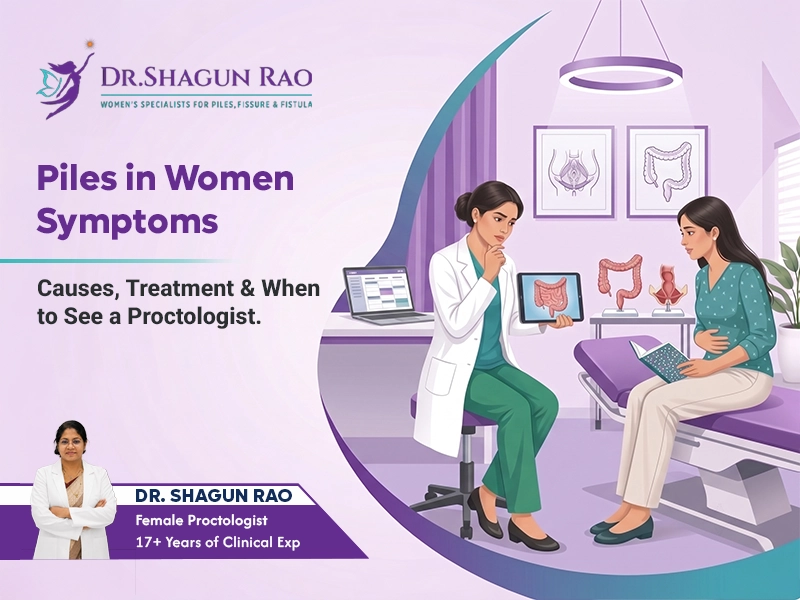
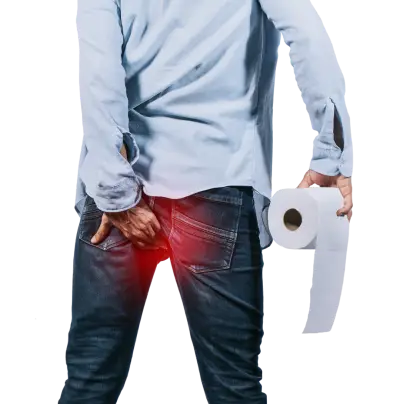
Piles, also known as hemorrhoids, are swollen blood vessels and tissues around the anus and lower rectum. Although piles can affect anyone, women may experience them at different stages of life, particularly during pregnancy, after childbirth, or when constipation and straining during bowel movements are present.
Symptoms such as rectal bleeding, anal pain, itching, swelling, or discomfort can sometimes be embarrassing to discuss. However, persistent or recurring symptoms should not simply be ignored or assumed to be piles without proper evaluation.
For women looking for piles treatment in Pune, consulting a qualified proctologist can help determine the cause of symptoms and identify an appropriate treatment approach.
Piles, or hemorrhoids, develop when the blood vessels and supporting tissues around the anus or lower rectum become swollen or enlarged. They may occur internally inside the rectum or externally around the anal opening.
Some people have mild symptoms that improve with dietary and lifestyle changes, while others may experience recurrent bleeding, pain, swelling, itching, or difficulty during bowel movements.
The appropriate treatment depends on the type, severity, symptoms, and individual clinical findings.
Piles can produce different symptoms depending on their location and severity.
Common symptoms may include:
Rectal bleeding should not automatically be attributed to piles. Other anorectal or gastrointestinal conditions can also cause bleeding, which is why persistent or unexplained bleeding should be medically evaluated.
Women may develop piles at different stages of life for several reasons. Pregnancy and childbirth are particularly important factors.
Pregnancy
During pregnancy, hormonal changes and pressure from the growing uterus can affect bowel movements and the veins around the rectum. Constipation may also become more common, potentially contributing to straining and hemorrhoid symptoms.
Childbirth
The pressure associated with vaginal delivery may contribute to the development or worsening of hemorrhoids in some women. Symptoms may appear during pregnancy, after delivery, or both.
Constipation
Hard stools and repeated straining can increase pressure around the anal region. Women experiencing chronic constipation may therefore be more likely to develop or aggravate piles.
Changes in Bowel Habits
Irregular bowel habits, repeatedly delaying bowel movements, or spending excessive time on the toilet may contribute to anorectal discomfort in some individuals.
Dietary and Lifestyle Factors
Insufficient dietary fibre, inadequate fluid intake, physical inactivity, and other lifestyle factors may contribute to constipation and associated piles symptoms.
These factors can vary considerably from one woman to another, so symptoms should be evaluated individually.
Not every woman with piles requires surgery or a procedure. Piles treatment for women depends on the symptoms, severity, type of hemorrhoids, previous episodes, and clinical findings.
Treatment may include:
1. Dietary and Lifestyle Changes
Increasing dietary fibre, maintaining adequate fluid intake, staying physically active, and establishing healthy bowel habits may help manage constipation and reduce straining.
2. Constipation Management
If constipation is contributing to piles symptoms, addressing the underlying bowel problem can be an important part of treatment. A doctor may recommend dietary measures, lifestyle changes, or medication when appropriate.
3. Medications
Depending on the symptoms and clinical assessment, medications may sometimes be recommended to manage pain, irritation, inflammation, or constipation.
4. Minimally Invasive Procedures
Some patients with persistent or more advanced hemorrhoid symptoms may benefit from a minimally invasive procedure. The appropriate option depends on the type and severity of the piles.
5. Laser-Assisted Treatment
Laser-assisted treatment may be considered for selected cases. A clinical evaluation is important before recommending laser treatment because it may not be appropriate for every patient.
A piles doctor in Pune can assess the condition and explain which treatment options are suitable rather than recommending the same approach for every patient.
No.
Many cases of piles can initially be managed with conservative measures such as dietary changes, constipation management, lifestyle modifications, and medication when appropriate.
A procedure may be considered when symptoms are persistent, recurrent, severe, or do not respond adequately to conservative treatment.
The decision should be based on the diagnosis and clinical assessment rather than symptoms alone.
Women should consider consulting a proctologist when symptoms are persistent, recurrent, severe, or affecting everyday activities.
A consultation is particularly appropriate if you experience:
It is especially important not to assume that every episode of rectal bleeding is caused by hemorrhoids. Proper evaluation can help identify the underlying cause.
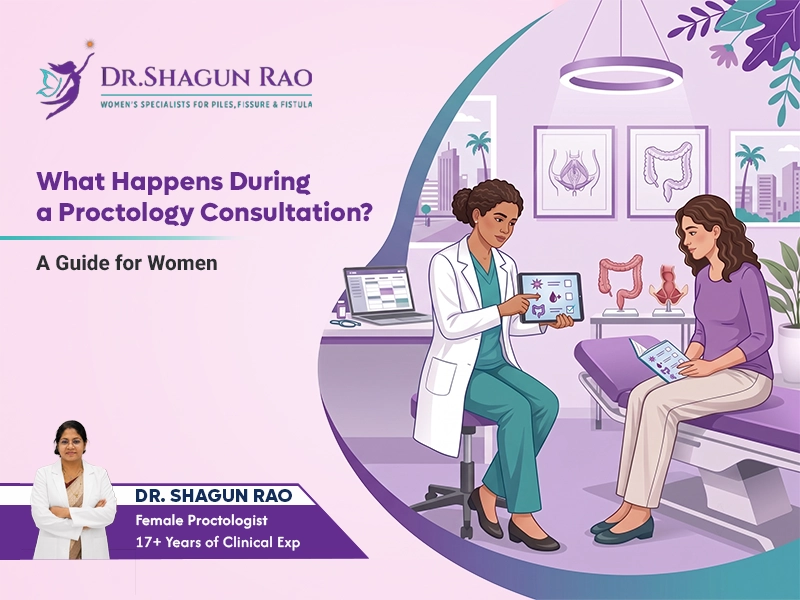
A proctology consultation generally begins with a discussion about symptoms, bowel habits, medical history, previous episodes, and any relevant factors such as constipation or pregnancy.
Depending on the symptoms, the doctor may perform an appropriate clinical examination. Additional evaluation may be recommended when necessary to clarify the diagnosis or rule out other causes of bleeding or anorectal symptoms.
The purpose of evaluation is to understand the condition before deciding whether conservative treatment, medication, a minimally invasive procedure, laser-assisted treatment, or another approach is appropriate.
Some women may feel more comfortable discussing anal or rectal symptoms with a female doctor. Concerns such as bleeding, itching, swelling, pain, or bowel difficulties can feel sensitive, and having a comfortable environment may make it easier to discuss symptoms openly.
Dr. Shagun Rao provides confidential proctology consultations for women and evaluates conditions such as piles, anal fissure, anal fistula, pilonidal sinus, and related anorectal concerns.
Her approach is based on clinical evaluation and individualized treatment planning rather than assuming that every patient requires a procedure.
Women searching for piles treatment in Pune may have different symptoms and treatment requirements. Some may need only conservative management, while others may require a minimally invasive or procedure-based approach.
Dr. Shagun Rao at Sushrut Piles Clinic, Pimple Saudagar, Pune, provides evaluation and treatment for piles and other anorectal conditions. Her clinical areas include piles, anal fissure, anal fistula, pilonidal sinus, laser-assisted proctology, Ksharsutra therapy for selected fistula cases, and conservative management.
With more than 17 years of clinical experience and specialized fellowship training in Ksharsutra, she provides individualized treatment recommendations based on the patient’s symptoms and clinical findings.
While piles cannot always be prevented, healthy bowel habits may help reduce factors that contribute to hemorrhoid symptoms.
Helpful measures may include:
These measures can support healthy bowel habits but should not replace medical evaluation when symptoms continue.
Piles are common and often treatable, but persistent rectal bleeding, severe pain, recurrent swelling, or symptoms that do not improve should be medically evaluated.
Instead of repeatedly self-treating symptoms, a consultation with a qualified proctologist can help determine whether the problem is actually piles and whether conservative care or a procedure is appropriate.
If you are looking for piles treatment for women in Pune, Dr. Shagun Rao provides confidential, individualized evaluation and treatment for women experiencing piles and related anorectal concerns.
Get clear, compassionate guidance about your anorectal condition and available treatment options.

Yes. Women can develop piles at any age. Pregnancy, childbirth, constipation, and straining during bowel movements may contribute to hemorrhoid symptoms in some women.
Common symptoms include rectal bleeding, anal itching, swelling, pain or discomfort, and a lump around the anus. Symptoms can vary depending on the type and severity of hemorrhoids.
Some cases can improve with conservative management, particularly when constipation and straining are addressed. However, persistent or recurrent symptoms may require further evaluation and treatment.
Yes, particularly when bleeding is persistent, recurrent, unexplained, or accompanied by other symptoms. Rectal bleeding should not automatically be assumed to be caused by piles.
Pregnancy can contribute to hemorrhoid symptoms because of hormonal changes, constipation, and increased pressure around the pelvic and rectal area. Women experiencing persistent symptoms during or after pregnancy should discuss them with a healthcare professional.
Women in Pune can consult a qualified proctology specialist for evaluation of piles and other anorectal symptoms. Dr. Shagun Rao provides confidential proctology consultations at Sushrut Piles Clinic in Pimple Saudagar.
Experiencing bleeding, pain, itching, swelling, or discomfort during bowel movements?
Consult Dr. Shagun Rao, Female Proctologist in Pimple Saudagar, Pune, for confidential evaluation and personalized piles treatment.
📍 Clinic: Pimple Saudagar, Pune
Dr. Shagun Rao — Compassionate Care. Clinical Excellence. Trusted Experience.
From traditional Ksharsutra therapy to modern laser procedures, Dr. Shagun Rao provides a range of treatment options for anorectal conditions — with the focus always on choosing what is appropriate for you.
Schedule a consultation with Dr. Shagun Rao for professional evaluation and personalized treatment guidance.
2026 dr. Shagun Rao, All rights reserved. Present by Codigix