
Written By
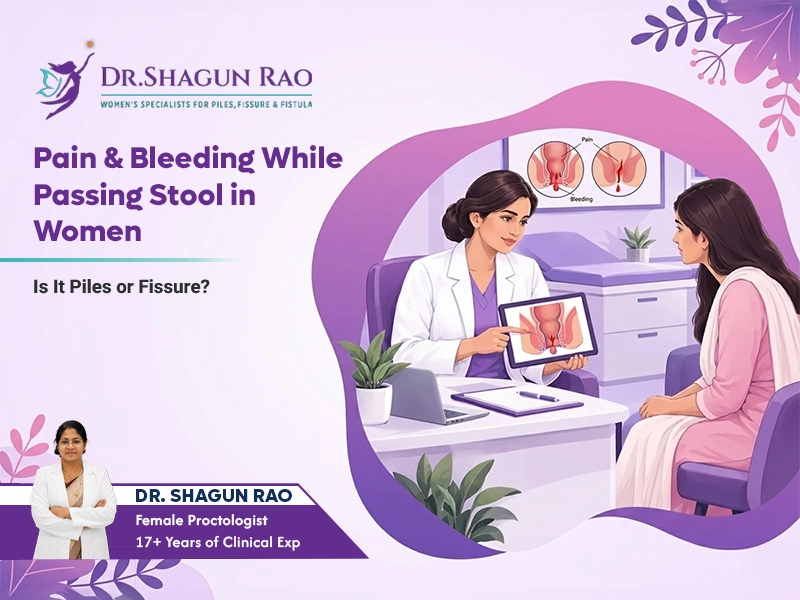
Pain while passing stool and bleeding during stool can be uncomfortable and concerning, especially when these symptoms keep returning. Many women assume that pain or bleeding is caused by piles, but an anal fissure can cause similar symptoms.
Piles, also known as hemorrhoids, and anal fissures are different conditions. Although both can cause bleeding or discomfort, the nature and timing of symptoms may differ.
Understanding the possible causes can help women recognize when it may be appropriate to seek medical advice. If symptoms are persistent, recurrent, severe, or unexplained, medical evaluation can help determine whether the cause is piles, fissure, or another anorectal condition.
Pain during bowel movements can occur for several reasons. Common causes include:
An anal fissure is a small tear in the lining of the anus and can cause significant pain during or after bowel movements.
Piles are swollen blood vessels and supporting tissues around the anus or lower rectum. Depending on the type and severity, they may cause bleeding, itching, swelling, discomfort, or a lump.
Because symptoms can overlap, it is not always possible to identify the exact cause based only on symptoms.
It can be either.
Pain while passing stool is commonly associated with an anal fissure, particularly when the pain feels sharp, cutting, or burning. The pain may continue for some time after passing stool.
Piles can also cause pain, particularly when an external hemorrhoid becomes swollen or develops a blood clot. Internal hemorrhoids may cause bright red bleeding without significant pain.
The nature, timing, severity, and duration of symptoms can provide useful information during a medical consultation.
An anal fissure is a small tear in the lining of the anus. It can develop after passing a hard or large stool, particularly when constipation and straining are present.
Women with an anal fissure may experience:
Some fissures may improve with appropriate conservative treatment and healthy bowel habits. Persistent or recurrent fissures may require further medical assessment.
Piles, or hemorrhoids, are swollen and enlarged blood vessels and supporting tissues in the anal and lower rectal region.
They can be:
Common symptoms may include:
Not every patient with piles requires a procedure. Treatment depends on the type and severity of hemorrhoids, symptoms, and clinical findings.
Although both conditions can cause bleeding, their symptoms may differ.
Symptom | Piles | Anal Fissure |
Pain during stool | May occur | Often prominent |
Bleeding during stool | Common | Can occur |
Pain after stool | May occur | Often continues |
Nature of pain | Discomfort or soreness | Often sharp or burning |
Itching | Common | May occur |
Lump | Can occur | A small skin tag may sometimes develop |
Constipation association | Common | Common |
This comparison is only a general guide. A doctor may need to evaluate your symptoms and perform an appropriate examination to determine the actual cause.
Bleeding during stool is often noticed as bright red blood on toilet paper, on the surface of the stool, or in the toilet bowl.
Piles and fissures can both cause bright red rectal bleeding. However, bleeding should not automatically be assumed to be caused by either condition.
Other gastrointestinal and anorectal conditions can also cause rectal bleeding. Recurrent, unexplained, heavy, or unusual bleeding should therefore be medically evaluated.
Women can develop anal fissures for many of the same reasons as men. Common contributing factors include:
Constipation
Hard or dry stools can stretch and injure the anal lining.
Straining
Repeated straining during bowel movements can increase pressure around the anus and contribute to irritation or injury.
Pregnancy
Pregnancy can affect bowel habits and may contribute to constipation. Changes in the pelvic region can also influence anorectal symptoms.
Childbirth
Changes in bowel habits and physical strain associated with childbirth may contribute to anorectal symptoms in some women.
Diarrhea
Frequent loose stools can irritate the anal area and may contribute to fissure symptoms.
Women should consider consulting a female fissure doctor when symptoms are persistent, recurrent, severe, or affecting daily activities.
Medical evaluation may be appropriate if you experience:
A consultation does not automatically mean surgery. Depending on the diagnosis, treatment may include dietary and lifestyle changes, constipation management, medication, conservative care, office-based procedures, minimally invasive treatment, or another appropriate approach.
Diagnosis generally begins with a discussion about your symptoms, bowel habits, medical history, and previous episodes.
A doctor may ask:
Depending on the symptoms, an appropriate physical examination may be recommended.
The purpose of evaluation is not only to identify piles or fissure but also to rule out other conditions that may produce similar symptoms.
Healthy bowel habits can help reduce factors associated with piles and fissures.
Women can consider:
During pregnancy or after childbirth, women should follow their healthcare professional’s advice regarding diet, activity, constipation management, and treatment.
Anorectal symptoms can be sensitive and difficult to discuss. Some women may feel more comfortable speaking with a female doctor about pain, bleeding, constipation, pregnancy-related symptoms, or problems following childbirth.
A comfortable consultation environment can make it easier to explain symptoms and ask questions about diagnosis, treatment, recovery, and follow-up.
Dr. Shagun Rao – Sushrut Piles Clinic provides specialized proctology care for patients experiencing piles, anal fissures, fistulas, and other anorectal conditions.
The approach focuses on understanding the patient’s symptoms, evaluating the underlying condition, and discussing treatment options according to individual clinical findings.
Depending on the diagnosis and severity, treatment may involve conservative management, dietary and lifestyle guidance, constipation management, medications, office-based procedures, minimally invasive treatments, advanced laser proctology, or other appropriate treatment options.
Women experiencing recurrent pain while passing stool or bleeding during stool can seek professional evaluation rather than repeatedly relying on self-treatment.
Pain and bleeding during bowel movements are common symptoms, but they can have different causes.
An anal fissure may produce significant pain during and after passing stool, while hemorrhoids may cause bleeding, itching, swelling, or discomfort. Some patients may have both conditions.
If symptoms are persistent, recurrent, worsening, or affecting your daily life, consider getting evaluated to understand the cause and appropriate treatment.
Get clear, compassionate guidance about your anorectal condition and available treatment options.
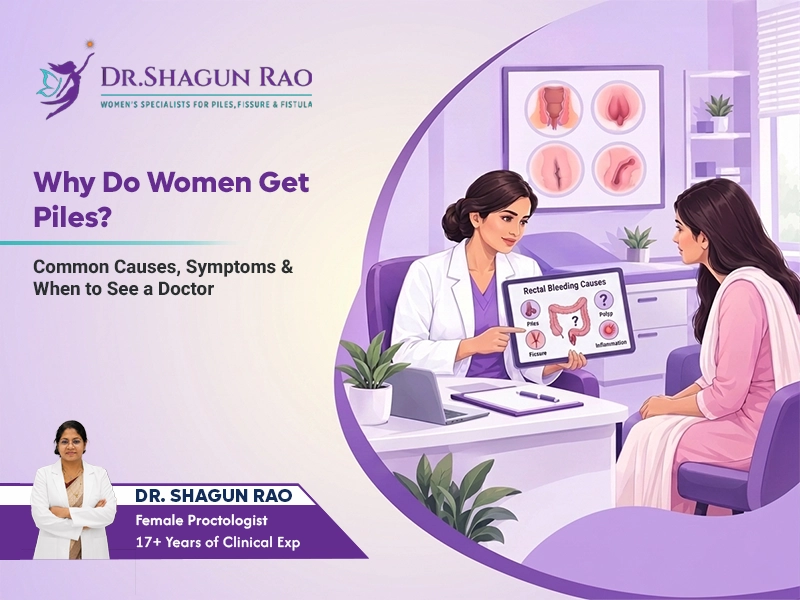

Yes. Piles can cause pain, particularly external hemorrhoids. However, sharp or burning pain during and after bowel movements is also commonly associated with anal fissures.
Yes. A person can have both hemorrhoids and an anal fissure. An appropriate evaluation can help identify which condition is causing the symptoms.
No. Piles and fissures are possible causes, but other anorectal and gastrointestinal conditions can also cause rectal bleeding. Persistent or unexplained bleeding should be evaluated.
Consider consultation if you have recurrent pain, bleeding, sharp or burning anal pain, constipation-related symptoms, or symptoms that interfere with your daily activities.
No. Many fissures can improve with appropriate conservative treatment and bowel-habit management. Further treatment may be considered when symptoms persist or become chronic.
Yes. Hard stools and repeated straining can contribute to the development of anal fissures.
Changes in bowel habits and constipation around pregnancy and childbirth can contribute to anorectal symptoms. Persistent pain or bleeding after childbirth should be discussed with an appropriate healthcare professional.
If you are looking for a female fissure doctor in Pimple Saudagar, Pune, Dr. Shagun Rao – Sushrut Piles Clinic can provide consultation and evaluation for piles, fissure, fistula, and related anorectal concerns.
Dr. Shagun Rao – Sushrut Piles Clinic
Compassionate Care. Clinical Excellence. Trusted Experience.
From traditional Ksharsutra therapy to modern laser procedures, Dr. Shagun Rao provides a range of treatment options for anorectal conditions — with the focus always on choosing what is appropriate for you.
Schedule a consultation with Dr. Shagun Rao for professional evaluation and personalized treatment guidance.
2026 dr. Shagun Rao, All rights reserved. Present by Codigix