
Written By
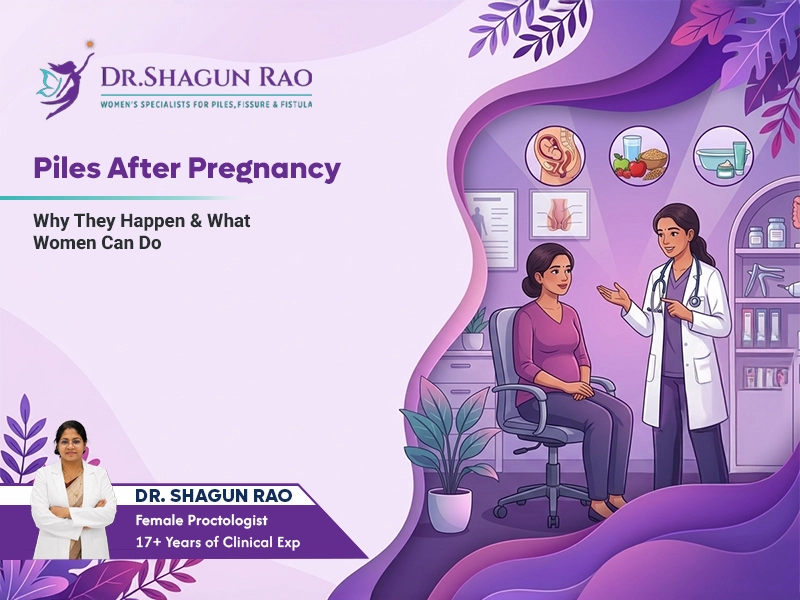
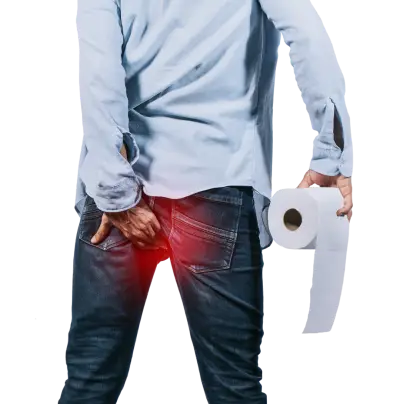
Pregnancy and childbirth bring many physical changes, and some women experience discomfort even after delivery. One common concern is piles after pregnancy, which can cause anal pain, itching, swelling, and bleeding during bowel movements.
Also known as postpartum hemorrhoids, piles develop when blood vessels and supporting tissues around the anus or lower rectum become swollen. Pregnancy-related pressure, constipation, and straining during childbirth may contribute to their development.
Although postpartum piles are common, persistent symptoms should not be ignored. Understanding the causes, symptoms, and available piles treatment for women can help mothers make informed decisions about their health.
Several factors may contribute to piles after pregnancy. These include changes during pregnancy, physical strain during childbirth, and constipation during postpartum recovery.
1. Pressure During Pregnancy
As the uterus grows, it places additional pressure on blood vessels in the pelvic region. Hormonal changes can also slow bowel movements, contributing to constipation. These factors may cause hemorrhoids to develop during pregnancy or worsen existing symptoms.
2. Straining During Childbirth
Straining during labour, particularly during vaginal delivery, can increase pressure around the anal and rectal region. Some women notice swelling, discomfort, or a lump around the anus shortly after childbirth.
Piles can also occur after a caesarean delivery because pregnancy-related pressure and constipation may continue after birth.
3. Postpartum Constipation
Constipation is a common contributing factor to postpartum piles. Changes in routine, reduced physical activity, dehydration, and certain medicines or iron supplements may make stools harder to pass.
Repeated straining can aggravate swollen hemorrhoidal tissues. Managing constipation is therefore an important part of piles treatment for women after delivery.
4. Reduced Physical Activity
New mothers may spend extended periods sitting while feeding or caring for their babies. Reduced movement can contribute to constipation in some women. Gentle activity, when appropriate for postpartum recovery, may help support regular bowel movements.
Symptoms can vary depending on the type and severity of hemorrhoids. Common signs include:
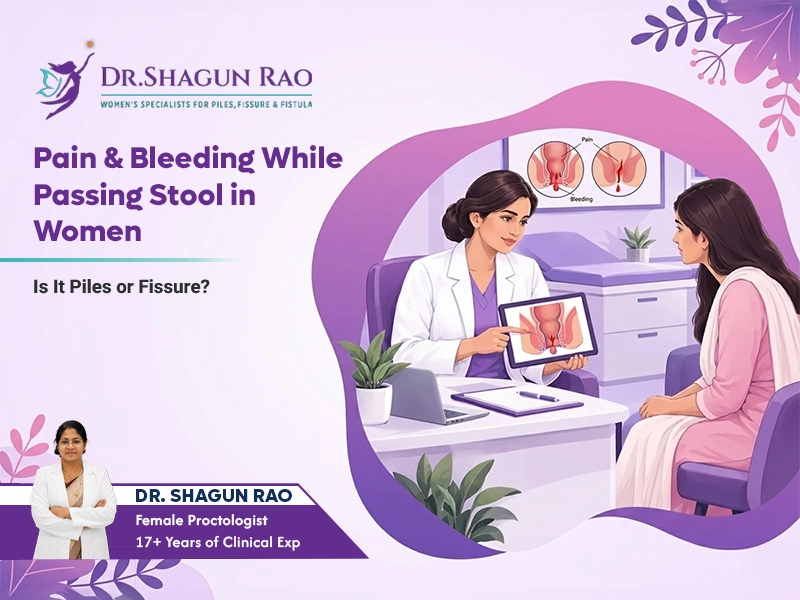
Important: Rectal bleeding should not automatically be attributed to piles. Anal fissures and other conditions can cause similar symptoms. Persistent, recurrent, or unexplained bleeding requires medical evaluation.
Mild postpartum piles may improve over days to a few weeks as pregnancy-related pressure decreases and bowel habits become more regular. However, recovery varies depending on symptom severity, constipation, and individual circumstances.
Some women experience persistent or recurrent symptoms that require medical assessment. If pain, swelling, or bleeding continues despite basic self-care, consult a qualified doctor to confirm the diagnosis and discuss appropriate treatment.
Several measures may help relieve discomfort and reduce straining.
1. Eat More Fibre
Include fibre-rich foods such as fruits, vegetables, oats, whole grains, and pulses. Increase fibre gradually to help soften stools and support regular bowel movements.
2. Drink Adequate Fluids
Adequate hydration can help prevent hard stools, particularly when increasing dietary fibre. Follow your healthcare professional’s advice if you have been given specific fluid restrictions.
3. Avoid Straining
Respond to the urge to pass stool rather than repeatedly delaying it. Avoid forcing bowel movements or spending unnecessarily long periods on the toilet.
4. Try Warm Sitz Baths
Sitting in comfortably warm, shallow water may provide temporary relief from anal discomfort and irritation. Avoid hot water that could burn the skin.
5. Stay Gently Active
Walking and other gentle activities may support bowel regularity when appropriate after delivery. Follow your obstetrician’s advice, especially after a caesarean delivery or childbirth complications.
6. Seek Advice Before Using Medicines
Consult a healthcare professional before using hemorrhoid creams, suppositories, or laxatives, particularly if you are breastfeeding. Treatment should be selected according to your symptoms and individual circumstances.
Piles treatment for women depends on the diagnosis, severity of symptoms, and overall health.
Laser treatment may be an option for selected patients, but it is not necessary or suitable for every case. A doctor should explain the available treatments, potential risks, alternatives, and expected recovery before recommending a procedure.
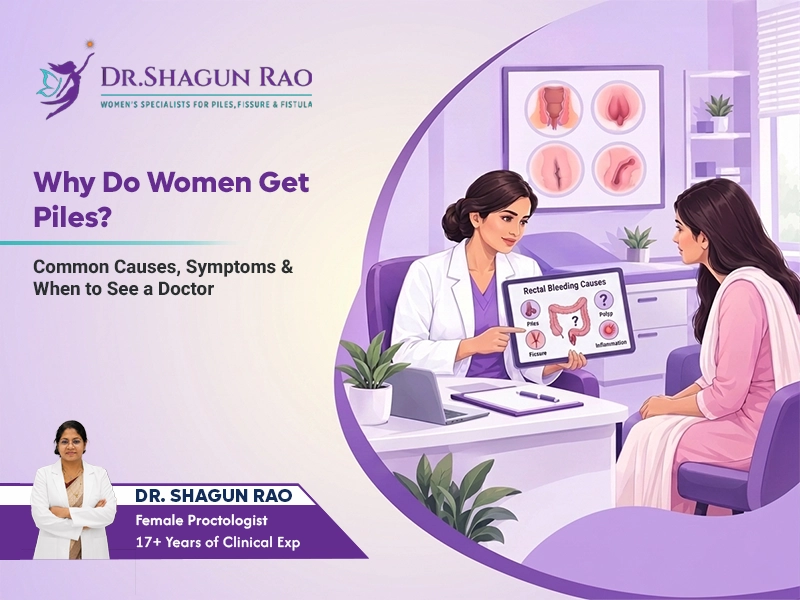
Consider consulting a female piles doctor if you experience persistent pain, recurrent bleeding, a painful lump, significant itching, or symptoms that interfere with daily activities.
Seek urgent medical attention for heavy or ongoing bleeding, dizziness, fainting, or severe pain.
A consultation does not automatically mean surgery. An examination helps determine whether the symptoms are caused by hemorrhoids or another condition, such as an anal fissure, and guides the next steps.
Dr. Shagun Rao provides proctology care for women experiencing piles and other anorectal conditions. With more than 17 years of clinical experience, she focuses on evaluating symptoms and helping patients understand their treatment options.
Depending on the diagnosis and severity, piles treatment for women may include conservative care, dietary guidance, constipation management, medicines, office-based procedures, or other appropriate treatments.
Women experiencing piles after pregnancy can seek an individual assessment to understand the cause of their symptoms and discuss suitable treatment options.
Get clear, compassionate guidance about your anorectal condition and available treatment options.
Mild symptoms may improve with appropriate dietary and lifestyle measures. Persistent or recurrent symptoms should be evaluated by a doctor.
Suitable treatments depend on the medicine or procedure being considered. Inform your doctor that you are breastfeeding before starting treatment.
Yes. Pregnancy-related pressure and constipation can contribute to hemorrhoids even after a caesarean delivery.
Seek medical advice for persistent pain, swelling, recurrent bleeding, or symptoms that do not improve with basic care.
Piles after pregnancy can be uncomfortable, but women do not have to manage persistent symptoms alone. Early evaluation can help identify the cause and determine whether conservative care or further treatment is appropriate.
Experiencing piles, rectal bleeding, anal pain, itching, or swelling?
Consult Dr. Shagun Rao for personalised proctology care.
Dr. Shagun Rao — Compassionate Care.
Clinical Excellence. Trusted Experience.
From traditional Ksharsutra therapy to modern laser procedures, Dr. Shagun Rao provides a range of treatment options for anorectal conditions — with the focus always on choosing what is appropriate for you.
Schedule a consultation with Dr. Shagun Rao for professional evaluation and personalized treatment guidance.
2026 dr. Shagun Rao, All rights reserved. Present by Codigix