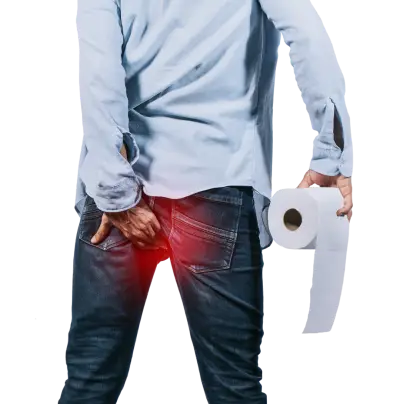
Anal Fissure Treatment in Women : Causes , Symptoms & Treatment Options
Written By
Dr. Shagun Rao {Proctologist | BAMS | Fellowship in Ksharsutra}
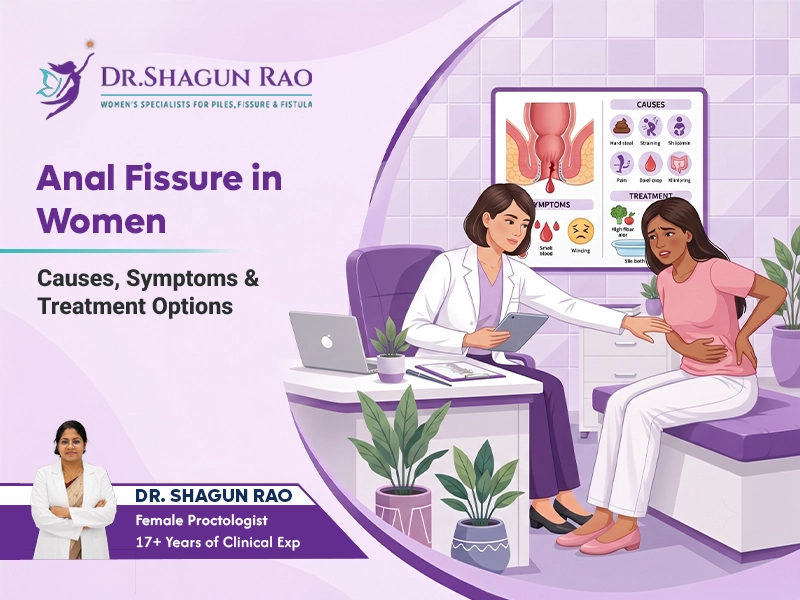
An anal fissure is a small tear in the skin around the anus that can cause significant pain and discomfort, particularly during or after bowel movements. Although anal fissures can affect anyone, women may experience them at certain stages of life, including during pregnancy, after childbirth, or when dealing with constipation and hard stools.
Symptoms such as sharp anal pain, burning, or bright-red bleeding can sometimes feel embarrassing to discuss. However, persistent or recurring symptoms should not simply be ignored or assumed to be piles. Early evaluation can help identify the cause and determine the most appropriate treatment.
For women looking for anal fissure treatment, consulting an experienced proctologist can help with accurate diagnosis and personalized care.
What Is an Anal Fissure?
An anal fissure is a small tear or crack in the lining of the anus. It commonly occurs when the anal tissue is stretched or injured, often because of passing hard or large stools.
An anal fissure may be acute, meaning it develops recently and may heal with appropriate conservative treatment, or chronic, where the fissure persists or keeps recurring.
Although an anal fissure is usually not a serious condition, persistent fissures can cause considerable pain and may affect bowel habits and daily activities.
Common Anal Fissure Symptoms in Women
The symptoms of an anal fissure can vary depending on how recent and severe the condition is.
Common anal fissure symptoms in women may include:
- Sharp or severe pain during bowel movements
- Burning or pain that continues after passing stool
- Bright-red blood on toilet paper or on the surface of the stool
- Itching or irritation around the anus
- A small skin tag or lump near the anal opening
- Fear or hesitation about passing stool because of pain
- Constipation or difficulty passing hard stools
- Recurrent pain or bleeding during bowel movements
The pain associated with an anal fissure can sometimes be significant enough to make women delay bowel movements, which may worsen constipation and contribute to a cycle of pain and straining.
Rectal bleeding should not automatically be assumed to be caused by an anal fissure or piles. Persistent or unexplained bleeding should be medically evaluated.
What Causes Anal Fissures in Women?
Anal fissures can develop for several reasons. In women, certain conditions and life stages may increase the likelihood of developing a fissure.
Constipation and Hard Stools
Passing hard or dry stools can stretch and injure the delicate tissue around the anus. Repeated straining may further irritate the area and prevent healing.
Pregnancy
Pregnancy can contribute to constipation and changes in bowel habits. Increased pressure in the pelvic region may also contribute to anorectal discomfort in some women.
After Childbirth
Anal fissures may develop or become symptomatic after childbirth, particularly when constipation, hard stools, or significant straining is involved.
Diarrhoea
Frequent loose stools or repeated bowel movements can irritate the anal area and may contribute to the development of fissures in some individuals.
Delaying Bowel Movements
Repeatedly ignoring the urge to pass stool can contribute to harder stools and constipation, increasing the risk of anal irritation and fissures.
Previous Anal Fissures
Women who have experienced an anal fissure previously may develop recurring symptoms, particularly if the underlying constipation or bowel habit is not addressed.
Why Early Treatment of Anal Fissure Matters
An acute anal fissure may heal with appropriate conservative treatment. However, when symptoms continue for a prolonged period or repeatedly return, the fissure may become chronic.
Chronic fissures can sometimes be associated with a small skin tag or changes in the underlying anal muscle. Persistent pain may also cause people to avoid bowel movements, which can worsen constipation and straining.
Seeking medical advice early can help determine whether the symptoms are due to an anal fissure and whether conservative treatment is appropriate.
Anal Fissure Treatment for Women
There is no single treatment that is suitable for every woman with an anal fissure. Anal fissure treatment for women depends on the duration of symptoms, severity, bowel habits, clinical findings, and whether the fissure is acute or chronic.
Treatment may include:
1. Dietary and Lifestyle Changes
Increasing dietary fibre, drinking adequate fluids, maintaining regular physical activity, and developing healthy bowel habits can help reduce constipation and straining.
2. Constipation Management
Managing constipation is an important part of fissure care. Depending on the individual’s condition, a doctor may recommend dietary measures, lifestyle changes, stool-softening strategies, or medication when appropriate.
3. Medications
Depending on the diagnosis and symptoms, medications may be recommended to reduce pain, relax the anal muscles, manage constipation, or support healing.
4. Local Treatment
Certain topical treatments may be recommended by a doctor to reduce symptoms and support healing. The choice of treatment depends on the patient’s clinical condition.
5. Procedures for Persistent or Chronic Fissures
When an anal fissure does not heal with appropriate conservative treatment or becomes chronic, a procedure may sometimes be considered.
The appropriate approach depends on the individual’s diagnosis and clinical findings. A fissure doctor in Pune can assess the condition and explain the available treatment options rather than recommending the same treatment for every patient.
Does Every Anal Fissure Need Surgery?
No.
Many acute anal fissures can improve with appropriate conservative management, particularly when constipation, hard stools, and straining are addressed.
A procedure may be considered when the fissure is chronic, symptoms are persistent or recurrent, or conservative treatment has not provided adequate improvement.
The decision should be based on a proper clinical evaluation.
Anal Fissure During Pregnancy and After Childbirth
Pregnancy and childbirth can be associated with constipation and changes in bowel habits, which may contribute to anal fissure symptoms.
Women experiencing anal pain or bleeding during pregnancy or after childbirth should discuss persistent symptoms with a healthcare professional rather than relying on self-treatment.
Treatment recommendations during pregnancy and breastfeeding may differ depending on the individual’s circumstances. A doctor can help determine which measures are appropriate and safe.
When Should Women See a Fissure Doctor?
Women should consider consulting a doctor when anal pain, bleeding, or discomfort is persistent, recurrent, or affecting daily activities.
A consultation is particularly appropriate if you experience:
- Repeated pain during or after bowel movements
- Persistent bright-red rectal bleeding
- Pain that makes you afraid to pass stool
- Recurrent anal fissures
- A lump or skin tag around the anus
- Persistent constipation or hard stools
- Symptoms that do not improve with basic dietary and lifestyle measures
- Bleeding whose cause has not been medically confirmed
Early evaluation can help distinguish an anal fissure from piles and other anorectal conditions that may cause similar symptoms.
How Is an Anal Fissure Diagnosed?
A proctology consultation generally begins with a discussion about symptoms, bowel habits, constipation, previous episodes, pregnancy or childbirth history, and other relevant medical factors.
Depending on the symptoms, the doctor may perform an appropriate clinical examination. Further evaluation may be recommended when necessary.
The goal is to confirm the likely cause of symptoms and determine whether conservative management, medication, or a procedure is appropriate.
Why Women May Prefer a Female Fissure Specialist
Anal and rectal symptoms can be sensitive and uncomfortable to discuss. Some women may feel more comfortable speaking openly with a female doctor about pain, bleeding, bowel difficulties, pregnancy-related symptoms, or other intimate concerns.
Dr. Shagun Rao is a female proctologist in Pimple Saudagar, Pune, providing confidential consultations and personalized care for women experiencing anal fissure, piles, anal fistula, pilonidal sinus, and other anorectal conditions.
Her approach focuses on understanding each patient’s symptoms, identifying the underlying condition, and recommending treatment based on individual clinical needs.
Patient comfort, privacy, clear communication, and compassionate care are important parts of the consultation experience.
Anal Fissure Treatment in Pune
Women searching for anal fissure treatment in Pune may have different symptoms and treatment requirements. Some may improve with conservative management, while others may require medication or a procedure depending on the condition.
Dr. Shagun Rao, at Sushrut Piles Clinic in Pimple Saudagar, Pune, provides evaluation and treatment for anal fissure and other anorectal conditions.
With more than 17 years of clinical experience, Dr. Shagun Rao provides individualized treatment recommendations based on the patient’s symptoms, diagnosis, and clinical findings.
Her areas of clinical care include anal fissure, piles, anal fistula, pilonidal sinus, laser-assisted proctology, Ksharsutra therapy for selected fistula cases, and conservative management.
How Can Women Reduce the Risk of Anal Fissures?
Anal fissures cannot always be prevented, but healthy bowel habits may help reduce some of the factors associated with them.
Helpful measures may include:
- Eating a fibre-rich diet
- Drinking adequate fluids
- Managing constipation promptly
- Avoiding unnecessary straining during bowel movements
- Avoiding prolonged sitting on the toilet
- Maintaining regular physical activity
- Responding to the urge to pass stool rather than repeatedly delaying it
- Seeking medical advice when symptoms persist or recur
These measures can support healthy bowel habits but should not replace medical evaluation when symptoms continue.
When to Seek Medical Advice
Anal fissures are often treatable, but persistent pain, recurrent bleeding, or symptoms that do not improve should be medically evaluated.
Instead of repeatedly self-treating symptoms, consulting a qualified proctologist can help determine whether the problem is an anal fissure, piles, or another anorectal condition and whether conservative care or a procedure is appropriate.
If you are looking for anal fissure treatment for women in Pune, Dr. Shagun Rao provides confidential, individualized evaluation and treatment based on your symptoms and clinical needs.
Have a Question? We're Here to Help.
Get clear, compassionate guidance about your anorectal condition and available treatment options.
Table of Contents
Recent Post
Pilonidal Sinus Treatment for Women: Dr. Shagun Rao, Pimple Saudagar
Pain During Bowel Movements? in Women when to consult Female Proctologist Dr.Shagun Rao
Inside a Female Proctologist Consultation: Demystifying Your First Visit with Dr. Shagun Rao
FAQ
Answers to Common Questions

Common symptoms include sharp pain during bowel movements, burning or pain afterward, bright-red bleeding, itching, irritation, and sometimes a small lump or skin tag near the anus.
Common causes include constipation, hard stools, straining during bowel movements, frequent diarrhoea, and changes in bowel habits. Pregnancy and the period after childbirth may also contribute to fissure symptoms in some women.
There is no single treatment that is best for every woman. Treatment depends on whether the fissure is acute or chronic and may include dietary changes, constipation management, medication, local treatment, or a procedure when clinically appropriate.
Yes. Many acute fissures can improve with appropriate conservative treatment, particularly when constipation and straining are addressed. Persistent or chronic fissures may require further treatment.
Anal fissures can occur after childbirth, particularly when constipation, hard stools, or straining are present. Persistent pain or bleeding after childbirth should be evaluated by a healthcare professional.
Yes, especially when bleeding is persistent, recurrent, unexplained, or associated with other symptoms. Rectal bleeding should not automatically be assumed to be caused by a fissure or piles.
Women in Pune can consult a qualified proctologist for evaluation of anal fissure symptoms. Dr. Shagun Rao provides confidential proctology consultations for women at Sushrut Piles Clinic in Pimple Saudagar, Pune.
Get Started
Book a Confidential Consultation
Experiencing pain, burning, bleeding, or discomfort during bowel movements?
When you are ready, consult Dr. Shagun Rao, Female Proctologist and Fissure Specialist in Pimple Saudagar, Pune, for confidential evaluation and personalized treatment.
📍 Clinic: Pimple Saudagar, Pune
Dr. Shagun Rao — Compassionate Care. Clinical Excellence. Trusted Experience.